



TMJ Treatment: Comprehensive Options from Non-Invasive to Advanced Solutions
TMJ Treatment options Available
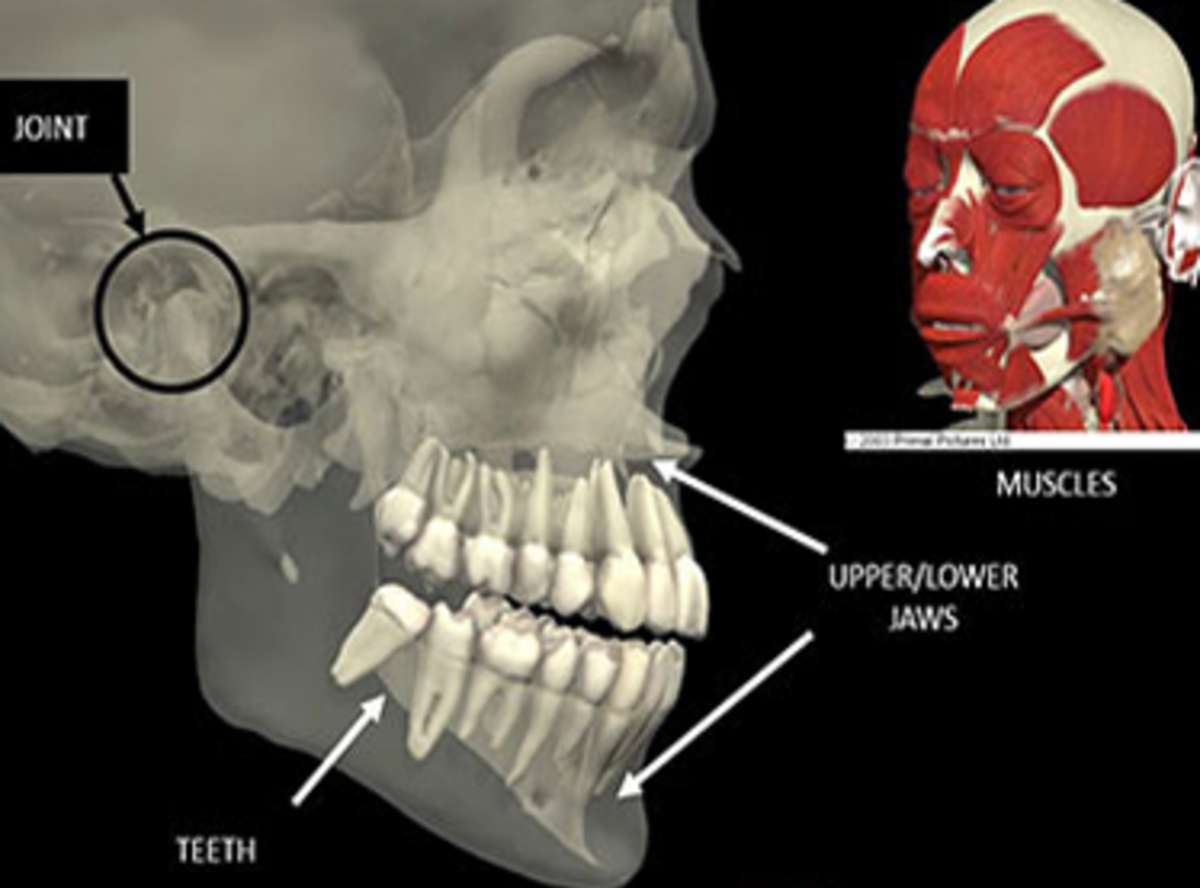
The temporomandibular joint (TMJ) enables smooth jaw movement, yet disorders affecting this joint can lead to significant discomfort, limited mobility, and pain. Selecting the ideal treatment, based on your specific condition, is essential for restoring jaw function and comfort. Here, we break down TMJ treatments, from conservative therapies to advanced surgical procedures.
Key Causes of TMJ Disorders
TMJ issues arise due to several factors, including:
Cause Examples
Stress Jaw clenching or teeth grinding (bruxism)
Bite Misalignment Overbite, underbite, or crossbite
Arthritis Osteoarthritis or rheumatoid arthritis
Injury Trauma or strain affecting the jaw joint
Identifying the cause is crucial for determining the most effective treatment.
Non-Invasive Therapies for TMJ Disorders
Conservative treatments are the preferred initial approach to managing TMJ conditions:
• Custom Night Guards or Splints: Protect the jaw from teeth grinding and reduce stress on the joint.
• Orthodontic Corrections: Braces or aligners realign the bite and alleviate strain on the TMJ.
• Physical Therapy: Jaw exercises strengthen muscles, improve movement, and relieve tension.
• Lifestyle Adjustments: Adopting softer diets, managing stress, and avoiding excessive chewing promote recovery.
• Medications: Pain relievers or anti-inflammatory drugs address pain and reduce swelling around the joint.
Chart: Effectiveness of Non-Invasive Treatments
Treatment Purpose Effectiveness
Custom Night Guards Reduce grinding and relieve jaw tension High
Orthodontic Adjustments Correct bite issues for long-term relief Moderate
Physical Therapy Restore jaw mobility and reduce stiffness High
Medications Ease pain and inflammation Moderate
Advanced Treatment Options for TMJ Disorders
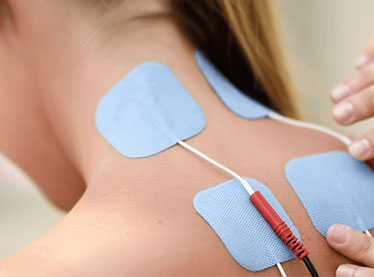
When symptoms persist or worsen, advanced procedures may be necessary:
• Botox Injections: Temporarily relax overactive muscles, relieving pain and clenching.
• Arthrocentesis: A minimally invasive method to flu sh out inflammation and improve joint mobility.
• Arthroscopy: Small incisions allow for precise correction of damaged tissues or joint structures.
• Open-Joint Surgery: Reserved for severe structural damage, offering permanent relief and restored function.
Chart: Advanced Treatment Applications
Procedure Best For
Botox Chronic clenching or muscle tension
Arthrocentesis Joint fluid buildup or inflammation
Arthroscopy Scar tissue or disc misalignment
Open-Joint Surgery Severe structural damage
Why Early TMJ Treatment is Critical
Addressing TMJ disorders promptly prevents the progression of symptoms like chronic pain, joint stiffness, and long-term damage. Early intervention not only speeds up recovery but also minimizes the need for invasive procedures.
Expert TMJ Care at Stunning Dentistry
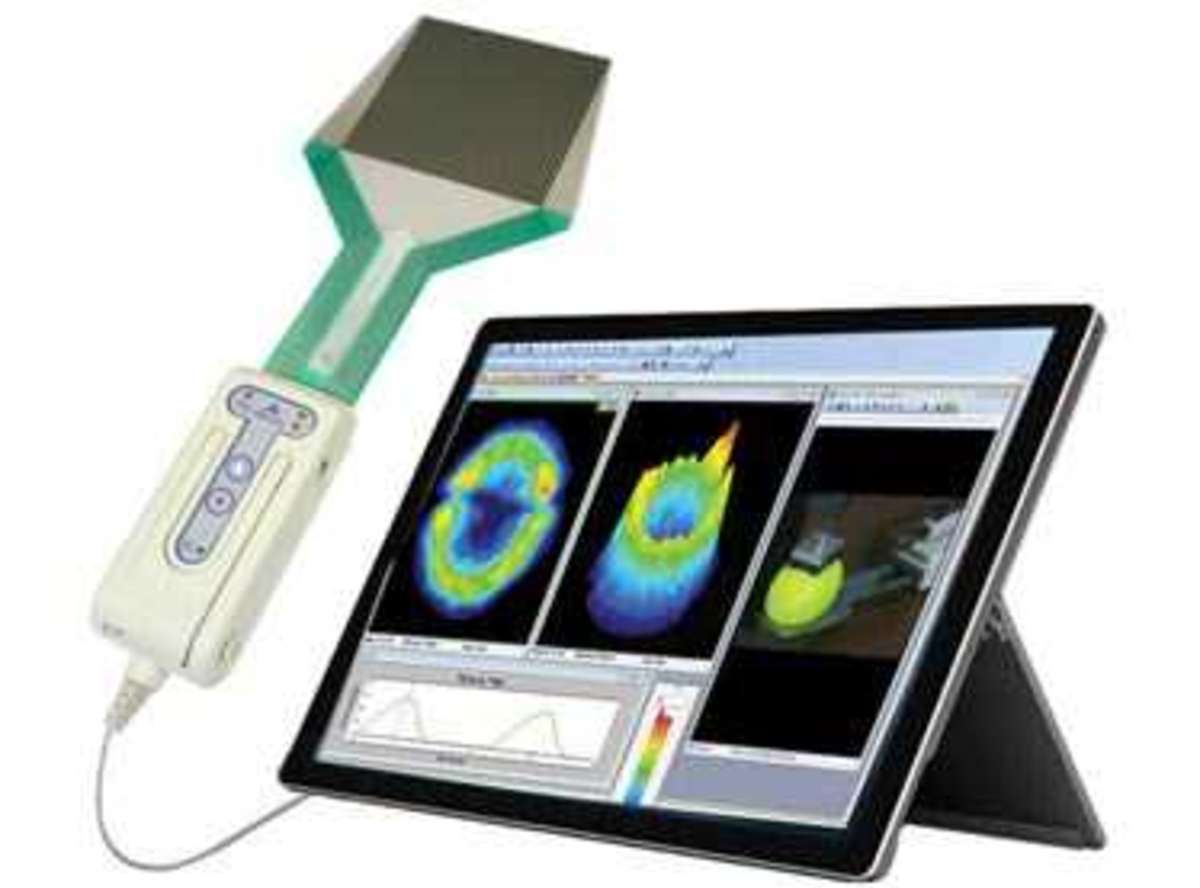
At Stunning Dentistry, we specialize in advanced diagnostics and personalized TMJ treatment. Using tools like CBCT scans and MRI imaging, our team identifies the root cause of your condition and designs effective, customized care plans for lasting relief.
Book your consultation today and take the first step toward a pain-free jaw and a healthier lifestyle!